In an era of rapid urbanization and expanding economies, infrastructure development has become one of the most critical drivers of growth. From transportation systems to energy networks, digital connectivity to water management, infrastructure projects require massive investment. Governments around the world are increasingly competing to attract global capital to fund these transformative projects. The following article highlights the most effective financing strategies that are drawing international investors and institutional funds into infrastructure markets.
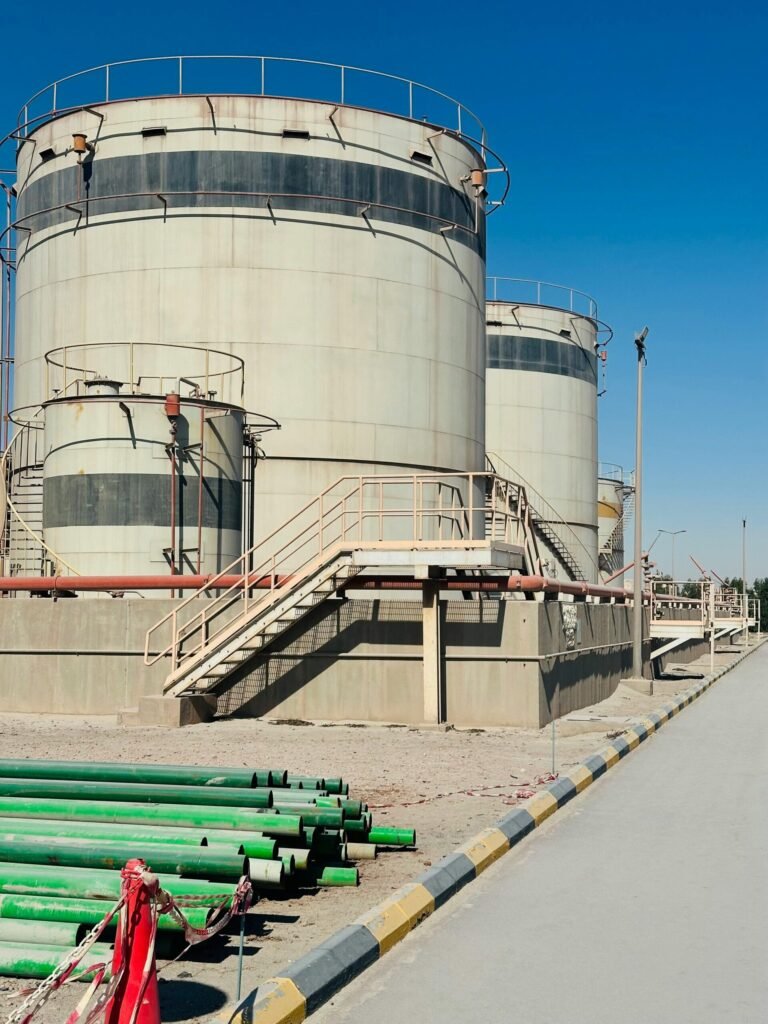
1. Public-Private Partnerships (PPPs): Bridging Public Need and Private Capital
Public-Private Partnerships (PPPs) remain one of the most widely adopted strategies for mobilizing private and global funds for infrastructure.
How It Works
Under a PPP model, governments collaborate with private corporations to design, build, finance, operate, and/or maintain infrastructure assets. The private partner typically assumes substantial project risks in exchange for long-term revenue streams from user fees, availability payments, or contractual returns.
Why Investors Are Drawn to PPPs
✔ Long-term, predictable cash flows
✔ Risk-sharing between public and private sectors
✔ Clear performance benchmarks and accountability
Examples
• Toll roads and bridges
• Airports and seaports
• Water and sanitation systems
Challenges:
Success requires a strong legal framework, transparent bidding, and well-structured contracts.
2. Sovereign Wealth Fund Co-Investment: Long-Term Strategic Capital
Sovereign Wealth Funds (SWFs) manage national investment portfolios with significant assets under management. These funds are increasingly investing in infrastructure globally.
Key Characteristics
• Patient capital with long investment horizons
• Large pools of reserve capital
• Desire for stable, inflation-linked returns
Benefits for Infrastructure Projects
✔ Steady financing for large or multi-phase projects
✔ Access to global financial networks
✔ Strong alignment with national development plans
Background strategic alignment and risk appetite make SWFs attractive partners for governments seeking deep, long-term capital.
3. Infrastructure Bonds and Green Bonds: Tapping Global Markets
Bond issuance—especially infrastructure and green bonds—has become a powerful tool to attract international investors, including pension funds and asset managers.
Infrastructure Bonds
These are debt instruments issued by governments or project entities to raise capital for specific infrastructure investments.
Green Bonds
Focused on environmentally sustainable infrastructure, green bonds attract investors with ESG (Environmental, Social, Governance) mandates.
Investor Appeal
✔ Lower risk compared to equity investment
✔ Regular, predictable interest payments
✔ Broad global investor base
Use Cases:
Renewable energy plants, clean water systems, sustainable transit networks.
4. Institutional Infrastructure Funds: Diversified Investment Vehicles
Institutional infrastructure funds are pooled investment vehicles that aggregate capital from international investors—such as pension funds, insurance companies, and asset managers—and deploy it into diversified infrastructure assets.
Advantages
• Professional fund management
• Portfolio diversification across regions and sectors
• Scaled investment opportunities
Investor Benefits
✔ Access to varied infrastructure assets
✔ Optimized risk-return profiles
✔ Liquidity options through fund structures
These funds help channel global capital into infrastructure while spreading risk across multiple projects.
5. Blended Finance: Reducing Risk to Attract Private Capital
Blended finance brings together public, private, and philanthropic capital in a structured way to reduce risk and encourage investment in infrastructure, especially in emerging markets.
Mechanics
• Development banks or governments provide guarantees, subsidized capital, or first-loss support.
• Private investors commit funding once risk is mitigated.
Why It Works
✔ Improves credit quality of projects
✔ Encourages investors who would otherwise avoid high-risk markets
✔ Aligns public objectives with private capital deployment
Examples:
Energy access projects, urban infrastructure in developing countries.
6. Asset Recycling and Privatization: Unlocking Capital From Existing Assets
Asset recycling involves the sale, lease, or partial divestment of existing public infrastructure to private investors. The proceeds are reinvested into new infrastructure development.
Benefits
✔ Immediate capital for new projects
✔ Increased operational efficiency through private management
✔ Potential for enhanced service delivery
Investor Attraction
✔ Established revenue-generating assets
✔ Reduced construction risk compared to new builds
✔ Transparent cash flow history
Challenges:
Requires careful handling of public sentiment and regulatory frameworks.
Key Enablers for Attracting Global Capital
To successfully attract global investors, infrastructure projects must be backed by:
✔ Stable Policy and Regulatory Environment
Investors seek predictability and strong legal protection to safeguard returns.
✔ Transparent Procurement and Governance
Clear information and competitive bidding reduce perceived risks.
✔ Robust Contractual Frameworks
Long-term contracts with enforceable terms build confidence.
✔ ESG and Sustainability Standards
Infrastructure projects that meet environmental and social governance criteria draw more global funds.
✔ Credit Enhancements and Guarantees
Instruments such as political risk insurance and return guarantees make deals more attractive.
Conclusion
Mobilizing global capital for infrastructure financing is no longer a theoretical ideal—many countries have successfully leveraged international funds to deliver transformative infrastructure projects. By embracing smart financing strategies such as PPPs, sovereign co-investment, bonds, blended finance, and institutional funds, governments can reduce financial gaps, share risk, and accelerate development.
Attracting global investors requires more than capital needs; it demands strong institutions, transparent governance, strategic planning, and an investment-friendly ecosystem. When these elements align, infrastructure becomes not just a catalyst for growth—but a sustainable opportunity for global capital.